Barisha Script: A Premium Handwritten Font for Digital Branding
I was recently working on a boutique online store redesign, and I needed a font that would bring warmth and personality to the brand’s visual identity. The client sells handcrafted candles and natural bath products, so the design had to feel organic yet polished. That’s when I discovered Barisha Script. As a web designer who values both aesthetics and usability, I was immediately drawn to its flowing, handwritten character and how it could elevate the digital experience without compromising readability.
Visual Personality and Digital Appeal
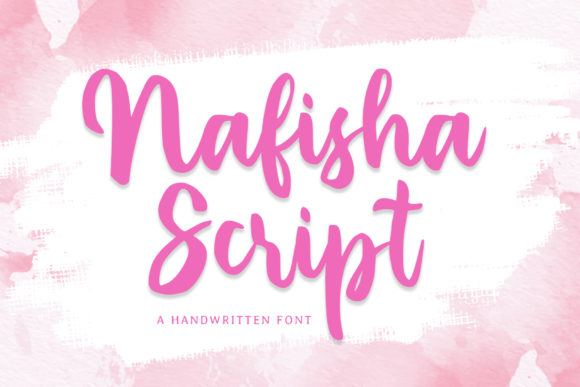
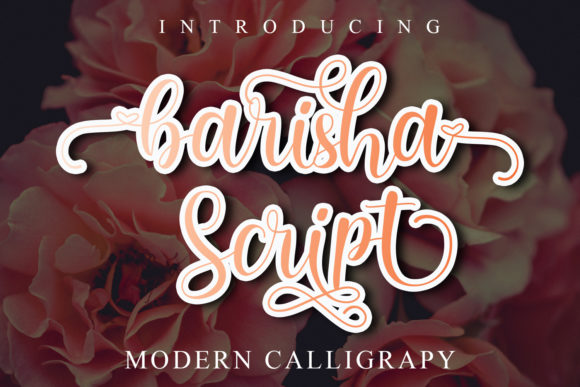
Barisha Script is a handwritten script typeface with a distinct personality. It flows like ink on paper, each letterform gracefully connected with subtle variations in baseline and stroke weight. This gives it an authentic, artisanal look that feels personal and inviting—perfect for brands aiming to convey a sense of care and creativity.
What sets Barisha Script apart is its PUA encoding, which makes accessing all the glyphs, ligatures, and swashes straightforward. No need for complicated OpenType features or special software; just install and go. This level of accessibility is a huge plus when you’re designing for clients who may not be as technically inclined but still want high-quality design assets.
Putting It into Practice: Real-World Web Use
To test Barisha Script in action, I used it in several key areas of the website layout. First, I applied it to the hero section headline, which read “Handcrafted for Your Sanctuary.” On desktop, the text looked elegant against a soft linen texture background. But what really impressed me was how it held up on mobile screens. Despite its ornate style, the font remained legible at smaller sizes thanks to its clean structure and consistent spacing.
I also experimented with placing it over image banners. In one case, I layered the headline on top of a photo of lavender fields. The varying baseline and gentle curves gave it a dynamic feel, making the message stand out without overpowering the imagery. For call-to-action buttons, I paired it with a bold sans serif to maintain contrast and hierarchy, ensuring the user experience stayed clear and purposeful.
When to Use Barisha Script in Web Design
- Hero Headlines: Its decorative nature works well in large formats where it can shine without being distracting.
- Section Titles and Subheaders: Adds a creative flair while maintaining enough clarity to guide users through content sections.
- Logo Text and Taglines: The fluidity of the strokes and unique glyph set make it ideal for crafting memorable logos and branding elements.
- Decorative Accents: Used sparingly, Barisha Script can add visual interest to testimonials, pull quotes, or product highlights.
However, it's important to note that this isn’t a font for long paragraphs or dense information. It thrives in display use—think short phrases, headlines, and branded content rather than body copy or form labels.
Font Pairing and Brand Consistency
One of the best parts about using Barisha Script is how easily it pairs with more structured fonts. I matched it with a minimalist sans serif for the body text, creating a balanced contrast between elegance and simplicity. This combination helped reinforce the brand’s identity—crafty, yet professional.
For a more editorial tone, I tested it alongside a clean serif font in a blog header. The result was a warm, approachable aesthetic that felt both modern and timeless. When choosing a complementary font, consider the mood you want to create. A bold geometric sans serif adds punch, while a traditional serif offers sophistication.
Responsive Layouts and Accessibility Considerations
As I moved from desktop to tablet to mobile views, I made sure the font scaled well across devices. At larger sizes, Barisha Script looks luxurious and expressive. At smaller sizes, such as on buttons or navigation links, it can become difficult to read unless simplified or paired with a secondary font. I recommend reserving it for visual impact zones rather than functional UI elements.
Accessibility is always a concern with decorative scripts. While Barisha Script is beautifully crafted, it does have some stylistic flourishes that might affect legibility for certain audiences. Always test it with real users, especially if your site serves a broad demographic. You might find it best suited for artistic or lifestyle websites where a more stylized typeface is appropriate and expected.
Designing with Barisha Script: Tips and Tricks
- Use it in large format first: Try it out in hero sections or landing page headlines before moving to smaller components.
- Balance with simpler fonts: Let it take center stage while using cleaner typefaces for supporting text.
- Test on different backgrounds: I found it worked best on light or textured surfaces rather than dark or busy ones.
- Consider file size and performance: Since it includes many alternates and decorative characters, ensure it doesn’t bloat your site’s load time. Optimize by subsetting only the characters you need.
- Check licensing for commercial use: Before deploying it on a live site or client project, confirm that the font supports web use and commercial applications.
Real-World Examples of Barisha Script in Action
Here are a few scenarios where I successfully integrated Barisha Script into digital projects:
- A product landing page for a small candle company, where it added a personal touch to the main headline and tagline.
- A creative portfolio site, using it for section titles and a signature-style logo to reflect the artist’s handmade process.
- A coaching website where the font helped soften the interface, making the brand feel more approachable and human-centered.
- On social media graphics and promotional banners, it brought attention to key messages and boosted brand recognition.
In each case, the font enhanced the overall brand identity without becoming overwhelming. Its presence felt intentional, adding a layer of charm and craftsmanship that aligned with the ethos of the businesses I was working with.
Limitations and What to Avoid
While Barisha Script is versatile, it’s not suitable for every situation. Avoid using it in:
- Long blocks of text or dense content areas.
- Small navigation menus or dropdowns where quick scanning is essential.
- Technical interfaces or dashboards requiring precise readability.
- Very tiny button text or icons where details may get lost.
If you're considering using it for anything beyond display purposes, evaluate whether it meets the needs of your audience and project goals. Sometimes, a more utilitarian font is the better choice—even if it means sacrificing a bit of flair.
Commercial Use and Licensing Clarity
Before finalizing any design involving Barisha Script, I always double-check the included styles and licensing terms. Is it available for webfont embedding? Does it support multiple languages if the brand plans to expand internationally? And most importantly, does it allow commercial use for the specific application—whether that’s a client site, online shop, or digital template?
With Script Amp’s collection of premium fonts, these details are usually well-documented. Still, it’s worth investing a few minutes upfront to avoid issues down the line. If you're selling templates, printables, or branded assets, ensure the font license permits redistribution or embedding as needed.
Final Thoughts (Without the Label)
Barisha Script has quickly become one of my go-to choices for digital brand experiences that benefit from a personal, handcrafted vibe. Whether you're designing a homepage, a campaign landing page, or a blog header, it brings a unique energy that stands out in a sea of generic sans serifs.
Its strength lies in storytelling—helping brands communicate their values through typography. Just remember to use it wisely, pair it effectively, and always prioritize user experience. When done right, Barisha Script can transform a simple website into a compelling, visually rich destination that feels both beautiful and trustworthy.
If you're looking for a premium script font that strikes the perfect balance between artistry and functionality, give Barisha Script a try. You’ll find it’s a great addition to your typographic toolkit, especially when you need to inject some soul into your digital designs.